Powerful Homemade Concentrates for Laundry, Dishes, and Hands
Today we dive into DIY concentrates—homemade refills for laundry detergent, dish soap, and hand soap that save money, reduce plastic, and give you total control over ingredients. Learn practical ratios, safe methods, and smart storage, through clear recipes and real-life tips. Join our community by sharing your tweaks, subscribing for updates, and asking questions so we can refine these concentrated bases together and help more households clean better with less.

Less Packaging, Lower Footprint

By keeping potent bases on hand, you refill dispensers many times before buying new containers. That means fewer trips, less plastic, and reduced shipping emissions because water is added at home. For families, the difference adds up quickly, especially for laundry where a single jar can power dozens of loads. Small changes, multiplied weekly, become meaningful climate action without complicated equipment or specialized sourcing.

Small Bottles, Big Impact

A liter of concentrate can become several liters of ready-to-use cleaners, neatly replacing a chaotic lineup of bottles. This frees storage, simplifies routines, and makes it easier to track what actually works. You’ll standardize dilution for consistent results and avoid those last-minute runs when soap runs low. Compact supplies encourage mindful consumption, while transparent ingredients help everyone in the household feel comfortable and safe using each refill confidently.

Know Your Building Blocks

Understanding a few core ingredients unlocks reliable, safe concentrates. True soaps, like castile, excel in gentle hand washing and light dish duty, while mild biodegradable surfactants boost grease-cutting for tough jobs. Washing soda raises pH for laundry, citric acid helps address mineral deposits, and glycerin adds slip to hand soap. Essential oils are optional accents, not disinfectants, and should be used sparingly with clear safety guidance and attention to sensitivities.

Surfactants and Soap, Side by Side

Castile soap is a classic, olive or coconut based, great for skin-friendly foaming hand soap and light dishes, but it can struggle in very hard water and with heavy grease. Mild surfactants like decyl glucoside and coco betaine complement or replace soap for dish duties and stable viscosity. The choice depends on water hardness, desired feel, and cleaning intensity. Combining approaches gives flexibility without sacrificing simplicity or biodegradability.

Boosters for Water and Soil

Laundry benefits from washing soda, which raises pH to break soils and suspend grime. For dish and laundry rinses in hard water, a separate citric acid solution reduces mineral film without mixing acid directly into true soap. Salt can thicken some surfactant systems, though the salt curve requires gradual testing. A pinch of sodium citrate can bind minerals. These helpers are powerful in small amounts and must be measured carefully.

Scent, Skin, and Simple Additions

Glycerin adds glide and moisture to hand soap without heavy residues when used sparingly. Essential oils deliver pleasant aromas, yet they are potent and can irritate sensitive skin. Always limit total fragrance, avoid known allergens, and skip oils for babies or during pregnancy without professional guidance. Colorants are optional and purely aesthetic. When in doubt, unscented formulas offer clarity, invite feedback from family members, and keep troubleshooting straightforward and repeatable.

Ratios, Dilutions, and Foolproof Math

Consistency comes from writing down clear ratios, testing small, and scaling only after results satisfy you. For laundry, track tablespoons per load instead of vague “squirts.” For dishes, measure pumps per sink. For hands, set foaming bottle ratios and don’t eyeball. Keep separate notes for hard or soft water, and mark changes. When you find a sweet spot, label it, share it, and repeat it so every refill behaves predictably.

Three Core Concentrates You Can Trust

Ultra Laundry Concentrate
In a heat-safe jar, dissolve 120 grams washing soda in 300 milliliters hot water, cool slightly, then blend in 600 milliliters liquid castile or a mild surfactant base, plus optional 10 milliliters sodium citrate solution. Yield roughly one liter three-times concentrate. Use 15–25 milliliters per load, adjusting by soil level. For whites, pretreat stains with a dab. Store sealed. For delicate fabrics, test first and reduce dosage to protect fibers.

Grease-Cutting Dish Soap Concentrate

Combine 400 milliliters decyl glucoside with 300 milliliters coco betaine, add 250 milliliters distilled water, then slowly stir in a 5 percent salt solution until thickened to preference. Optional: one percent lemon essential oil for scent, skipped if sensitive. Use a teaspoon per sink basin, increasing for heavy grease. Keep a separate citric acid rinse for hard water spotting. Label clearly. If opacity appears, warm gently and stir to re-homogenize effectively.

Silky Hand Soap Concentrate

Blend 300 milliliters castile soap with 150 milliliters mild surfactant base and 50 milliliters glycerin, then top with 500 milliliters distilled water. Optional: a tiny drop of lavender or no fragrance at all. For foaming pumps, dilute one to four with water. For standard pumps, use as is or dilute slightly. If making a large batch, sanitize containers carefully or consider a gentle, pH-appropriate preservative. Label with date and dilution guidance.

Bottles, Storage, and Safety That Matter

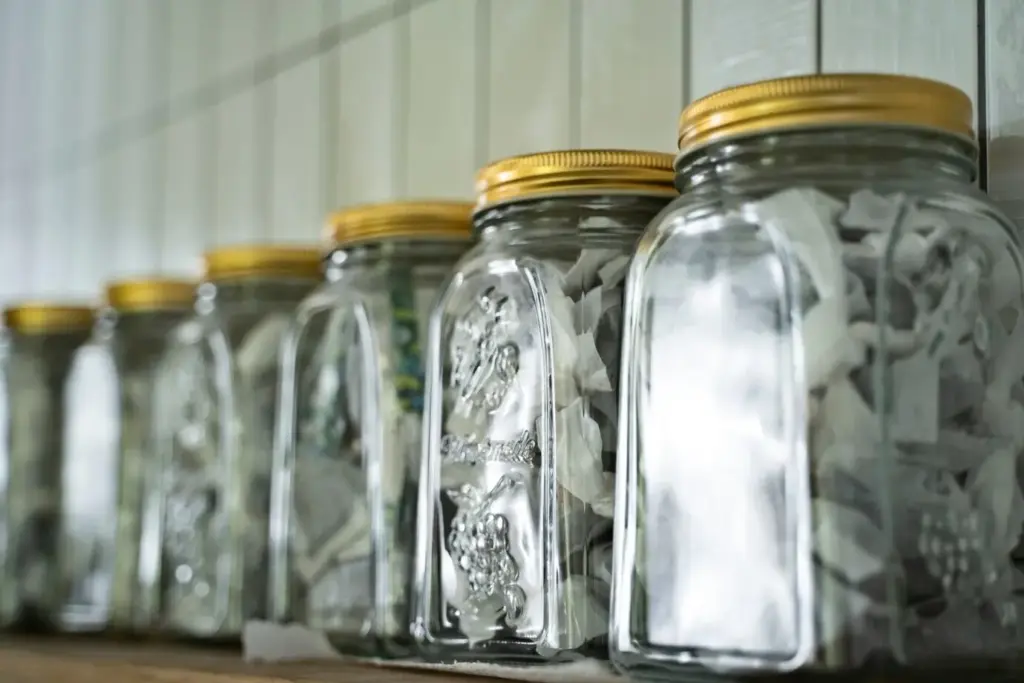
Packaging affects performance, longevity, and peace of mind. Choose containers compatible with alkaline soap or surfactants, and prioritize sturdy closures that resist leaks. Amber glass shields light-sensitive additions, while HDPE or PET handle family life well. Clean and dry everything thoroughly before filling. Label ingredients, dilution, and date. Safety includes gloves for concentrates, mindful essential oil limits, and keeping bottles out of reach of children and pets to avoid accidental misuse.

Containers That Play Nice

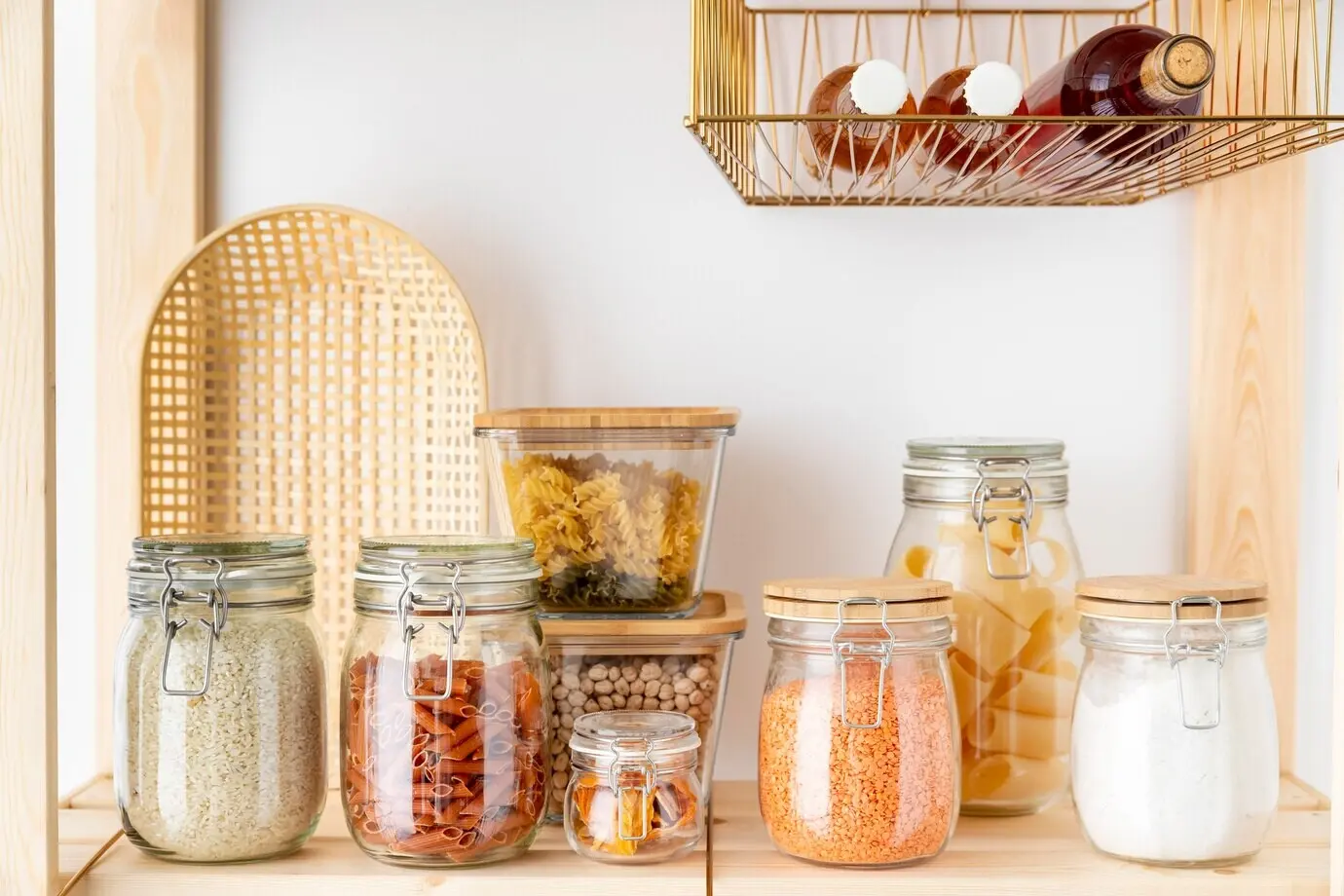
Glass works beautifully for stable storage, especially amber for light protection, yet bathrooms and kitchens often favor shatter-resistant HDPE or PET. Match pumps and caps with product thickness to avoid clogging. Foaming dispensers reduce water use and stretch concentrate further. Avoid reactive metals with alkaline solutions. Reuse when practical by fully washing, rinsing, and drying, remembering that residual fragrance can migrate and subtly influence new batches if not carefully eliminated.

Labels, Dates, and Shelf Life

A simple label prevents confusion: list the concentrate name, dilution ratio, ingredients, and creation date. Water-based blends can sour if contaminated, so mix small and use clean tools. If storing longer, research a broad-spectrum cosmetic preservative suited to your pH and follow supplier rates. Otherwise, prepare modest quantities monthly. Note any performance changes, like separation or odor, and discard questionable mixtures. Documenting observations accelerates learning and protects household health responsibly.
Troubleshooting, Savings, and Community Wisdom

Expect a learning curve and celebrate steady improvements. Hard water may haze glassware, thickening can be finicky, and scents sometimes fade. Keep notes, share results, and iterate kindly. The savings often surprise people after a month of refills, especially when plastic reductions become visible under the sink. Add your voice—what ratios worked, what didn’t, and which dispensers behaved best—so the next person benefits from real homes, not lab conditions alone.
Vukurupatevulu
Privacy Overview

This website uses cookies so that we can provide you with the best user experience possible. Cookie information is stored in your browser and performs functions such as recognising you when you return to our website and helping our team to understand which sections of the website you find most interesting and useful.