Refill Right, Live Safer
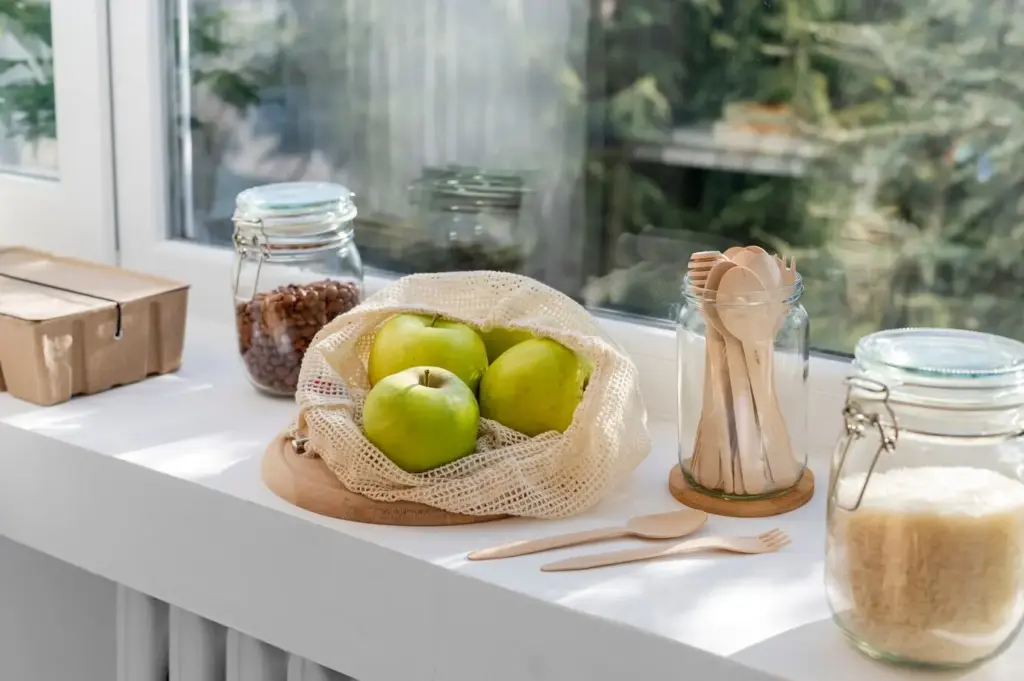
Welcome! Today we explore Safe Storage, Labeling, and Hygiene Practices for Home Refills, turning everyday routines into reliable safeguards for families, pets, and the planet. Expect practical steps, relatable stories, and science-backed advice that keeps your refill station efficient, your products effective, and your household confidently protected without adding stress or unnecessary complexity.

Foundations for a Confident Refill Routine

A dependable refill routine starts with a few smart choices that quickly become second nature. When containers are compatible, spaces are tidy, and labeling is consistent, you protect product quality, avoid confusion, and reduce waste. These foundations also make refilling faster, calmer, and far less messy, transforming an occasional task into a seamless habit you can trust even on your busiest days.

Choosing Containers That Protect

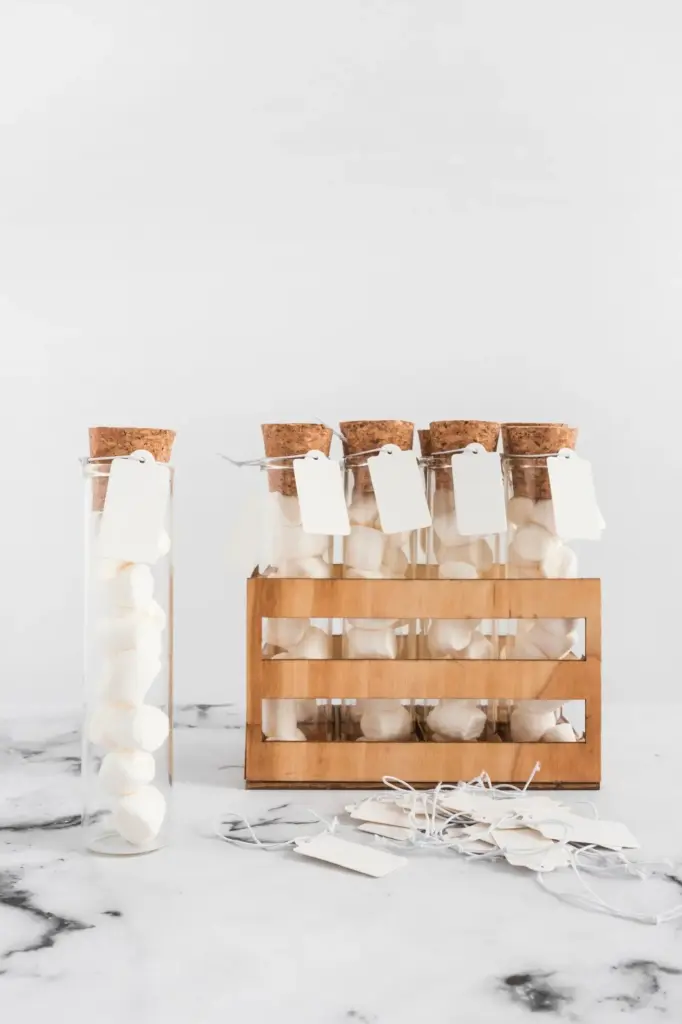
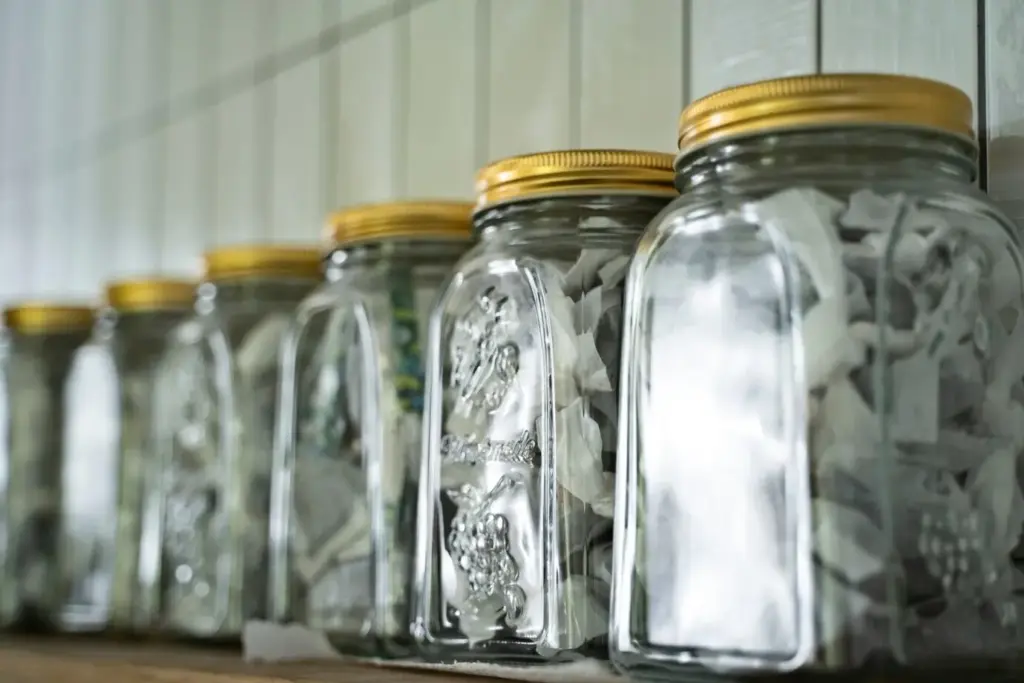
Select containers that match the chemistry of what you store. Glass works for many products but hates sudden temperature changes; HDPE and PET manage most cleaners, while stainless steel guards flavors and light. Tight seals prevent evaporation, amber bottles shield light-sensitive ingredients, and dedicated containers stop cross-contamination so your refilled products stay potent, safe, and true to their intended use.

Rotation That Actually Works

First-in, first-out rotation prevents forgotten bottles and stale contents. Date every refill, place newer stock behind older, and make checking dates part of your weekly clean-up. A simple log—paper or digital—helps you compare how long items last, spot unusual usage, and plan purchases, which saves money, minimizes waste, and ensures your supplies are always fresh and effective when needed.

Labeling That Prevents Mistakes

Clear labeling protects everyone. It prevents accidental mixing, avoids allergic reactions, and ensures the right dilution reaches the right task. Waterproof materials, readable fonts, and consistent placement drastically reduce errors. With a few intentional habits, each bottle communicates exactly what it contains, how strong it is, when it was refilled, and any important cautions worth noting for busy households and helpful guests.

What to Write, What to Avoid

Include product name, concentration or dilution, refill date, and your initials or a household code. Add essential cautions like “do not mix with bleach” where relevant. Avoid cryptic abbreviations or decorative fonts that compromise readability. If kids help, add simple icons or color bars. Aim for labels that reduce questions and empower safe, confident use without guesswork or second-guessing.

Waterproof, Smudgeproof Solutions

Use waterproof labels, clear tape overlays, or film laminates to protect handwriting from water and oils. Paint markers or archival ink resist smearing on glass and metal. For heavy-use bottles, consider a small label printer with durable tapes. Test adhesion before relying on it, and replace worn labels quickly so instructions remain legible and trustworthy during steamy showers and splashy sink-side chores.

Color Codes and Helpful Icons

Color coding speeds recognition, especially when several containers look similar. Use green for plant-safe, blue for glass cleaning, and red for corrosives, adapting to your home’s needs. Simple icons for food-safe, skin-sensitive, or pet caution communicate immediately across languages and reading levels. Post a small legend inside the cabinet door to keep your system memorable and consistently followed.

Hygiene From Decant to Daily Use

Clean techniques protect formulas and users at every step. Residues, damp interiors, and contaminated tools degrade products faster and invite unpleasant odors. By sanitizing containers, drying thoroughly, and handling pumps and funnels correctly, you reduce microbial growth, preserve performance, and make every refill feel crisp, fresh, and reliable. These practices take minutes yet add months of confidence and quality.

Special Care: Food, Cleaners, and Personal Items
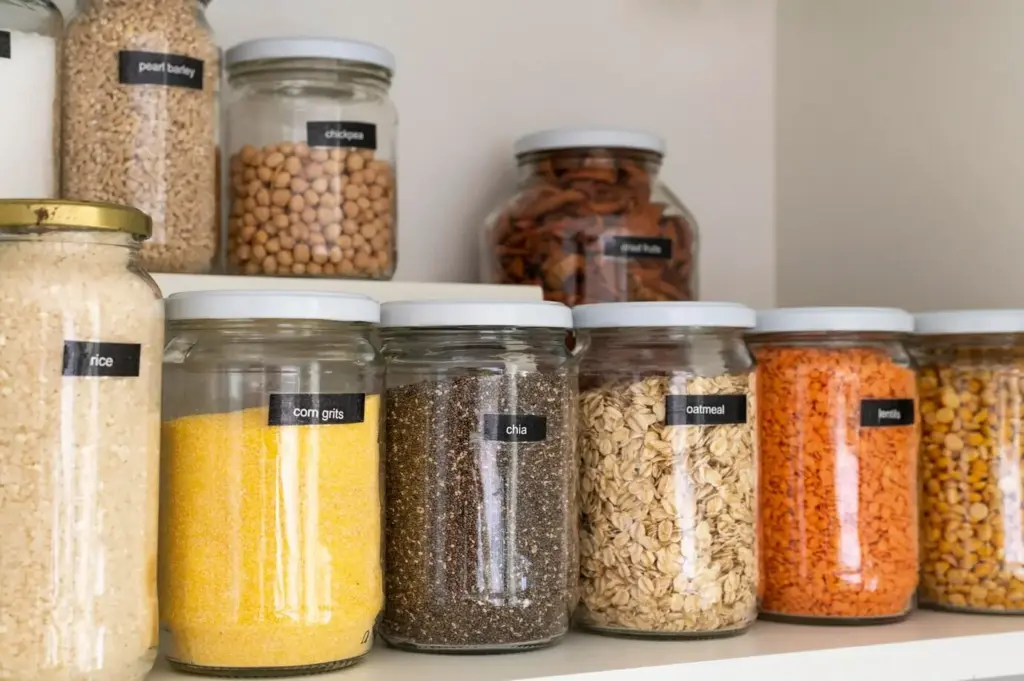
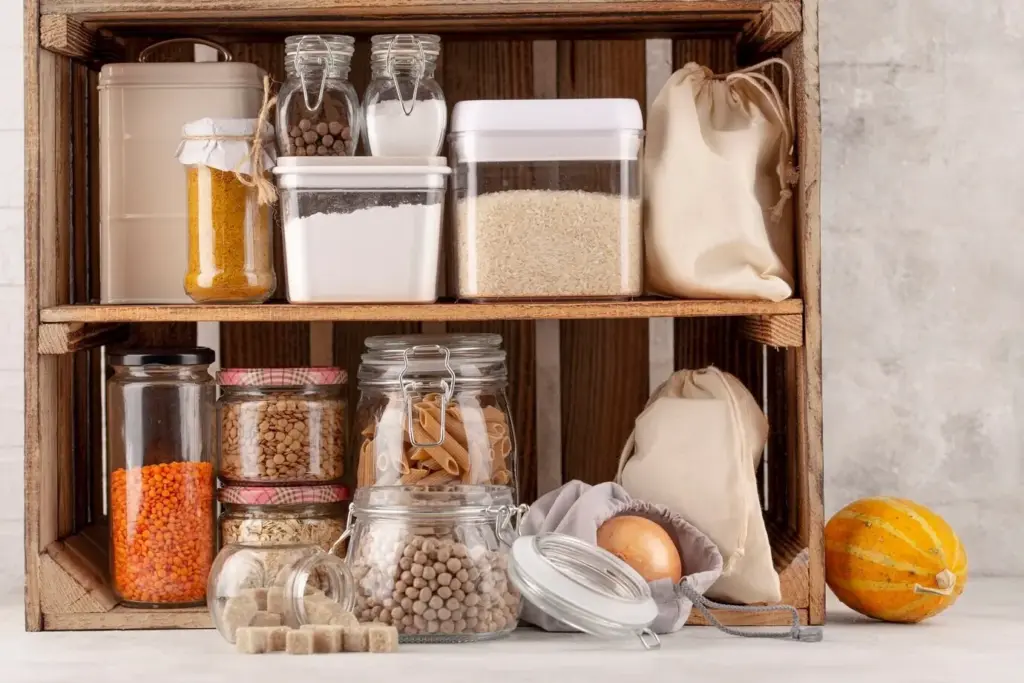
Different categories demand tailored precautions. Pantry staples need airtight protection from moisture and pests. Cleaners require chemical compatibility and secure separation from food. Personal care relies on impeccable container hygiene to protect skin and eyes. By adjusting methods for each group, you preserve freshness, efficacy, and comfort, while preventing incidents that often trace back to overlooked, category-specific details.

Elevation, Separation, and Locks

Position hazardous refills high and behind closed doors. Install child-resistant latches where appropriate, and separate food-related items from cleaners by distinct zones. Anchor freestanding shelves to prevent climbing accidents. For frequent-use items, consider a lockable caddy. This thoughtful layout reduces temptation and keeps potent products controlled, lowering risk without slowing down legitimate, everyday tasks that keep the household moving.

Clear Warnings Without Anxiety

Use plain language and consistent icons to communicate hazards without fear. “Do not drink,” “Keep away from eyes,” and “For surfaces only” are direct and kind. Large fonts and high-contrast colors support quick decisions in low light or distraction. By modeling calm clarity, you teach safer habits and maintain a welcoming environment that invites questions and responsible participation from everyone.

A Station That Stays Organized

Five-Minute Weekly Reset

Set a timer and wipe trays, check labels, and update dates. Top up frequently used items and retire anything questionable. Quick, consistent maintenance prevents larger messes and confusion later. This small ritual keeps your system trustworthy, reduces decision fatigue, and ensures safe storage principles are reinforced before problems escalate into leaks, odors, or awkward, avoidable mistakes during a busy weeknight.

Tools That Make It Easier

Keep a set of dedicated funnels, measuring cups, and a small brush for narrow necks. A microfiber cloth and alcohol wipes live nearby for fast cleanups. Magnetic clips hold label supplies. With everything within reach, you reduce contamination opportunities and complete refills quickly, accurately, and cleanly, turning a potential chore into a satisfying, low-friction moment of household care and confidence.

Layout That Guides Good Habits

Place empties on the left, clean tools in the middle, and filled, labeled bottles on the right, or any flow that suits your space. This visual pathway reduces errors, even for guests. Well-planned zones, consistent heights, and simple signage remove guesswork, helping everyone repeat safe practices naturally, without reminders or supervision. Good design quietly enforces good behavior every single day.

Share, Learn, and Keep Improving
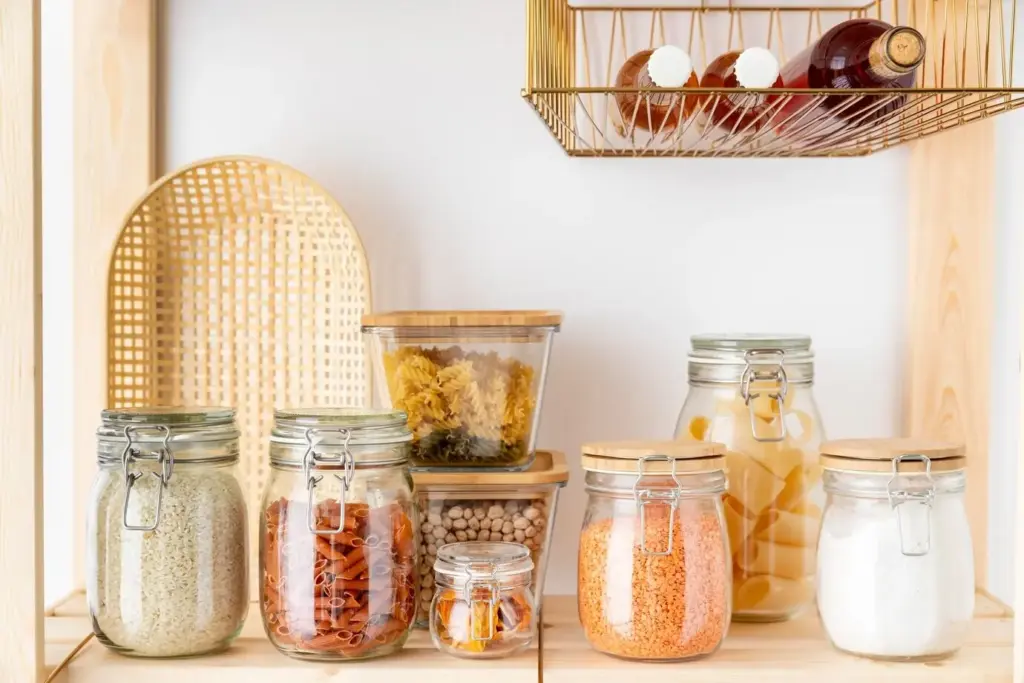
Refilling at home evolves as products, families, and spaces change. Track what works, celebrate small wins, and learn from near-misses before they become problems. Swap tips with neighbors, experiment thoughtfully, and refine systems over time. Your experience can help others start safer, while feedback from the community keeps your own routine fresh, resilient, and genuinely enjoyable to maintain year-round.
Vukurupatevulu
Privacy Overview

This website uses cookies so that we can provide you with the best user experience possible. Cookie information is stored in your browser and performs functions such as recognising you when you return to our website and helping our team to understand which sections of the website you find most interesting and useful.